
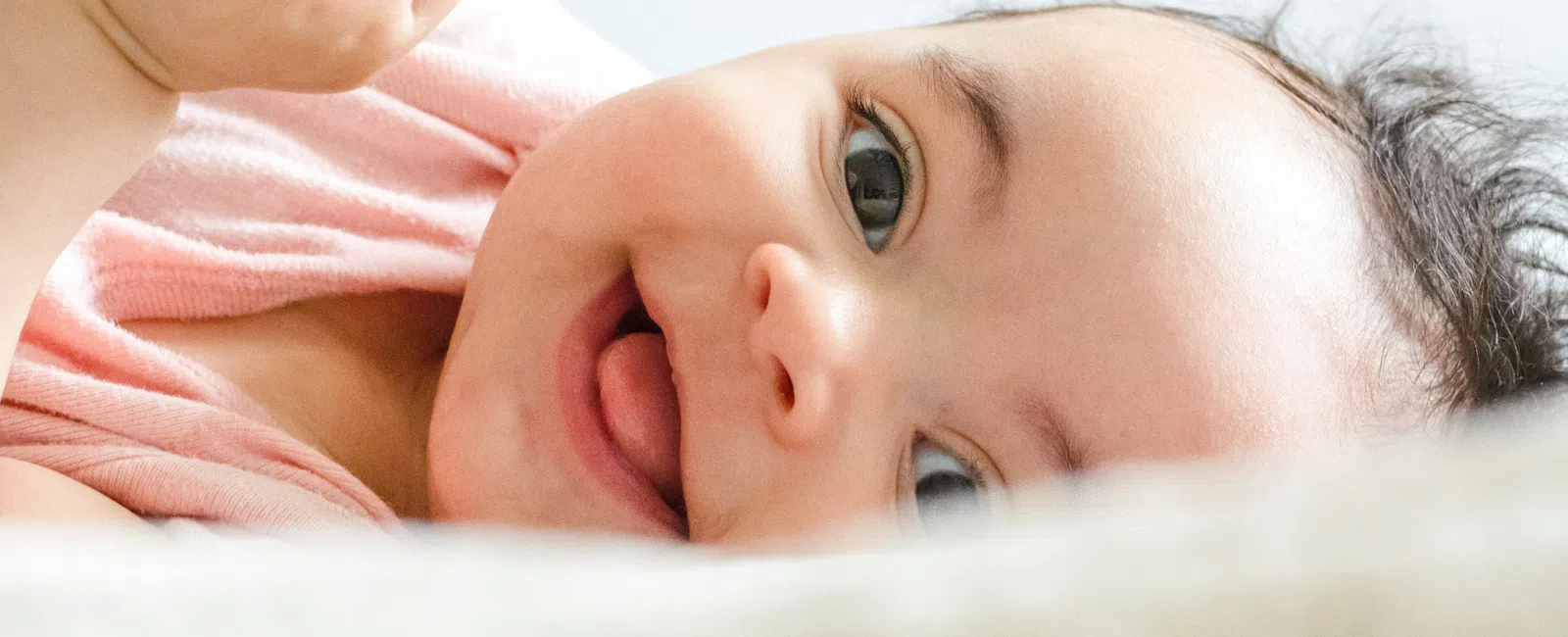
Every Tooth Tells a Story: The Journey of Your Baby's First Smile
That first glimpse of a tiny tooth poking through your baby's gums is a milestone many parents remember forever. It often comes with a mix of excitement and relief, especially if your little one has been fussy for days.
But when should you expect that first tooth to appear? What comes next, and how can you keep your baby comfortable along the way?
Understanding the teething process can help you know what to expect as your baby's smile begins to grow.
When Does Teething Typically Begin?
Most babies get their first tooth between 4 and 7 months of age. However, every baby develops at their own pace, so there is a wide range of normal.
Some babies develop their first tooth as early as 3 months, while others may not see a tooth emerge until closer to their first birthday.
If your baby reaches 12 months without any teeth, mention it to your pediatrician or pediatric dentist. They can evaluate your child's development and help determine whether any follow-up is needed.
The Usual Order of Baby Teeth
Baby teeth typically emerge in a predictable pattern, although the timing can vary from child to child.
Here is a general timeline of when each type of baby tooth appears:
- Bottom front teeth (central incisors): Usually the first to arrive, often between 6 and 10 months.
- Top front teeth (central incisors): Typically appear between 8 and 12 months.
- Side front teeth (lateral incisors): The upper and lower teeth usually emerge between 9 and 16 months.
- First molars: These larger teeth generally appear between 13 and 19 months.
- Canine teeth: Also called cuspids, these pointed teeth usually emerge between 16 and 23 months.
- Second molars: The final baby teeth typically arrive between 23 and 33 months.
By around age 3, most children have a complete set of 20 baby teeth.
Remember that these ages are general guidelines. Teeth may appear earlier or later without necessarily indicating a problem.
Common Signs Your Baby Is Teething
Teething affects every baby differently. Some children experience very little discomfort, while others may become noticeably fussier as their teeth emerge.
Common signs of teething include:
- Increased drooling
- Swollen or tender gums
- Irritability or fussiness
- Chewing on toys, fingers, or other objects
- Changes in sleep patterns
- A temporary decrease in appetite
Although babies may feel uncomfortable during teething, high fevers, diarrhea, and significant illness should not automatically be attributed to emerging teeth. If your baby develops these symptoms or seems unusually unwell, contact your pediatrician.
How to Soothe a Teething Baby
Watching your baby experience discomfort can be difficult, but a few simple strategies may help soothe tender gums.
Offer a chilled teething ring. Use a teething ring cooled in the refrigerator, following the manufacturer's instructions. Avoid freezing it, as an extremely hard surface can injure sensitive gums.
Massage the gums gently. With a clean finger, apply gentle pressure to your baby's gums to help relieve discomfort.
Try a cool washcloth. A clean, damp washcloth that has been chilled in the refrigerator can provide a soothing surface for your baby to chew on under supervision.
Ask about pain relief when needed. If your baby seems particularly uncomfortable, consult your pediatrician about whether an age- and weight-appropriate pain reliever is suitable.
Avoid potentially harmful teething products. Do not use teething gels containing benzocaine or lidocaine unless specifically directed by a qualified healthcare professional. Avoid amber teething necklaces because they pose choking and strangulation risks.
Always supervise your baby with teething toys and other objects used to soothe sore gums.
How to Care for Your Baby's First Teeth
Once that first tiny tooth appears, it is time to establish a daily oral care routine. Even baby teeth need proper care because they help children chew, develop speech, and maintain space for their permanent teeth.
Follow these simple steps to protect your baby's growing smile:
- Clean the gums before teeth emerge. Gently wipe your baby's gums with a clean, damp cloth.
- Start brushing as soon as the first tooth appears. Use a soft-bristled, infant-sized toothbrush.
- Use the right amount of fluoride toothpaste. For children younger than 3, use a tiny smear about the size of a grain of rice.
- Brush twice daily. Make brushing part of your morning and bedtime routines.
- Schedule an early dental visit. Arrange your baby's first dental appointment when the first tooth appears and no later than their first birthday.
Early dental visits help your dentist monitor tooth development, identify potential concerns, and show you how to care for your child's teeth at home.
Every Baby Develops Differently
It is easy to compare your baby's progress with other children, especially when friends and family share their own teething experiences. However, babies do not all follow the same timeline.
Some develop teeth early, while others take longer. What matters most is monitoring your child's development and seeking professional guidance whenever you have concerns.
If you have questions about your baby's teething progress, oral development, or first dental visit, your pediatrician or pediatric dentist can provide guidance tailored to your child.
A Lifetime of Smiles Starts With the First Tooth
Your baby's first tooth marks the beginning of an exciting new stage of development. With gentle care, safe teething strategies, and early dental visits, you can help establish healthy habits that support your child's smile for years to come.
Is your baby's first tooth starting to appear? Contact our dental office to schedule your child's first dental visit and learn how to care for their growing smile. We're here to help your family build a strong foundation for lifelong oral health.


