
Dental Exams and Teeth Cleaning in Midland Park
Trusted Dental Care for a Better Smile
All patients benefit from an individualized and tailored program, as every patient is different. We will assess where you are and the best approach to minimize and prevent any type of dental disease. "We don't subscribe to the cookie-cutter approach of every six months; we individualize treatment for every patient," says Dr. Caramico.
Comprehensive Exams & Prophys (Cleanings)
Preventative dental care is essential to maintaining a healthy smile. During these visits, we will clean your teeth by removing plaque and tartar, and complete a thorough examination of your teeth, gums and other orofacial structures. Dr. Tony will inspect the health of your teeth and the integrity of existing dental work.
Digital X-Rays
If X-rays are necessary, we will take those at this time. Our digital X-rays use reduced radiation levels and allows us to pinpoint areas of concern.
Scale and Root Planing
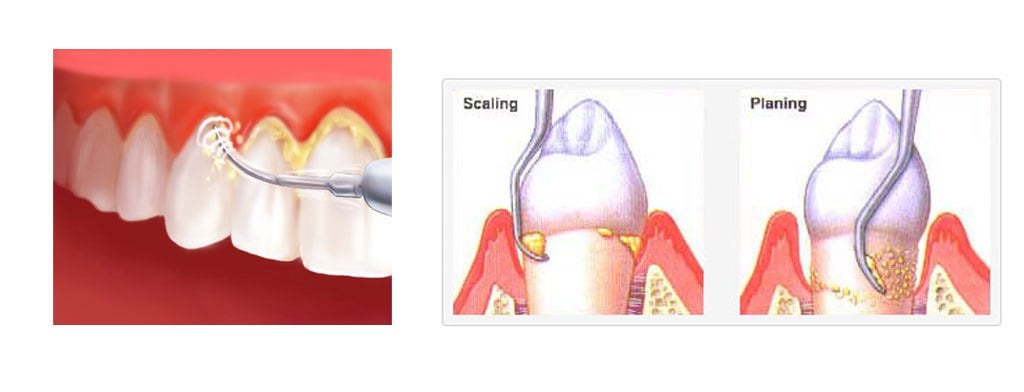
Scaling and root planing is a non-surgical procedure done to treat periodontal disease. We clean your teeth above and below the gum lines to eliminate plaque buildup, tartar and stains. Having your teeth regularly cleaned helps to prevent periodontal (gum) disease that can cause major dental problems, including loss of teeth. We will also review oral hygiene methods with you that will keep your teeth stronger, longer.
Scaling and root planing, otherwise known as conventional periodontal therapy, non-surgical periodontal therapy, or deep cleaning, is the process of removing or eliminating dental plaque, its products and calculus-which cause inflammation. This helps to establish a periodontium (specialized tissues that surround and support the teeth) that is free of disease.
Root Planing and Scaling (Deep Cleaning) for Gum Disease
Scaling is a technique used where the plaque, tartar, and bio film are removed from your teeth just below your gum line. Regular deep cleanings can help reverse and prevent gum disease.
Root planing immediately follows scaling and is a procedure where your dentist smooths the root surfaces of your teeth just below your gum line. This makes it much more difficult for biofilm and plaque to accumulate.
Root planing and scaling is one of the most effective ways to treat gum disease before it becomes severe. Root planing and scaling cleans between the gums and the teeth down to the roots of your teeth.
Antibiotic fibers may be placed into the pockets between your teeth and gums. The antibiotic will help speed healing and prevent infection. The dentist will remove the fibers about 1 week after the procedure if used.
After Treatment If anesthesia is used, your lips and gums may remain numb for a few hours. Planing and scaling causes little or no discomfort.
Why Is It Done? Root planing and scaling is done when gums have either started to pull away from the teeth or the roots of the teeth have hard mineral deposits (tartar) on them.
Benefits If you maintain good dental care after the procedure, the progression of gum disease should stop, and your gums will heal and become firm and pink again. After your deep cleaning, we will then schedule you for a follow up appointment to see how your gums are coming along. In most cases, if you have taken care to brush and floss properly, your gums will have begun to heal.
Oral Cancer Screenings
A thorough soft tissue examination will detect changes in the soft tissue lining of the mouth, cheeks, floor of the mouth and tongue. Early diagnosis of precancerous and abnormal tissues is essential for effective treatment, as most oral cancers do not cause symptoms until they are very progressed. We use specialized instruments like our Velscope® for early cancer screening and detection.
Periodontal Assessment
We also perform a periodontal screening to check your gingiva for any sign of gum disease. It is important to detect gum detachment in its earliest stages to achieve the best results, as periodontal disease is the #1 cause of tooth loss. Gingivitis refers to inflammation of the gums due to an excess of plaque on the teeth. Signs of gingivitis include red, swollen gums - or gums that bleed easily when you brush your teeth. By contrast, periodontitis (periodontal disease) has progressed to more serious gum disease involving the bone that holds your teeth.



